


Most "best chair" lists rank by spec sheet. The problem with that framing is your lower back doesn't care about a feature matrix at hour 7. It cares whether the lumbar stays in contact when you shift posture, whether the dimensions fit your body, and what the warranty covers if a component fails. This guide is organized by what you're trying to fix, not by ranking.
If your real ceiling is closer to $400, start with the stricter best ergonomic chairs under $400 guide. This page is for buyers who can stretch higher and want to know what the extra room actually buys: better warranty coverage, tighter adjustability, stronger fit for edge cases, and chairs that make more sense for full-time work.
My Recommendation in 30 Seconds
Best overall pick: UPLIFT Clarksville ($359). You don't need to spend the full budget for a 15-year UPLIFT Desk warranty, an adaptive lumbar design, and UPLIFT-listed ANSI/BIFMA X5.1-2017 testing.
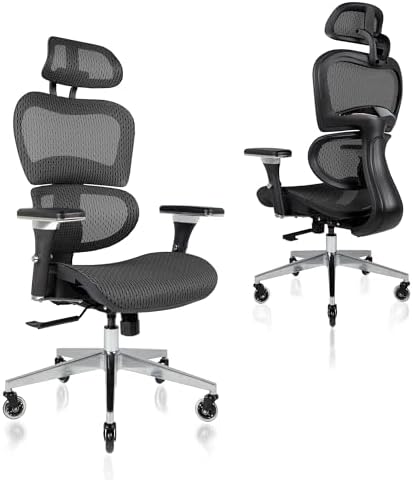
Best full-mesh adaptive pick: Sihoo Doro C300 ($279.99−50%). Sihoo documents self-adaptive lumbar, 4D coordinated armrests, an adjustable headrest, a 330 lb maximum user weight, and a 3-year warranty.
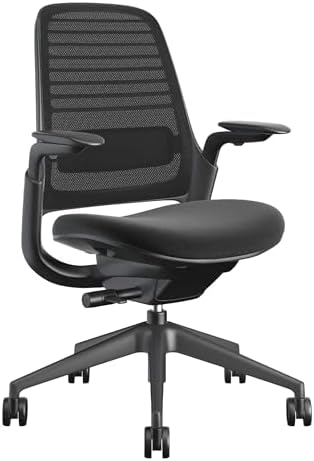
Best parts-and-warranty upgrade: Steelcase Series 1 ($499). 12-year warranty, a published service path, and the highest weight capacity in this guide.
Best value if you should spend less: COLAMY Atlas. A manufacturer-listed BIFMA test claim, a seat-depth slider, and 4D arms without pushing into the top of the budget.
Best premium UPLIFT step-up: UPLIFT Pursuit ($499). Consider it if you want the Clarksville warranty story with more adjustment range and a headrest.
Which Chair for Your Situation
| Your Situation | Best Pick | Price | Upgrade You Get | Main Tradeoff |
|---|---|---|---|---|
| Safest default without spending full budget | UPLIFT Clarksville | $359 | 15-year warranty, UPLIFT-listed ANSI/BIFMA testing, adaptive lumbar | Armrests lack width adjustment |
| Full mesh with an adjustable headrest | Sihoo Doro C300 | $279.99−50% | Self-adaptive lumbar and 4D coordinated arms | Shorter 3-year warranty |
| Long warranty and published service options | Steelcase Series 1 | $499 | 12-year warranty, serviceable components | Full options raise the price quickly |
| Lowest spend with real ergonomics | COLAMY Atlas | Research only | Manufacturer-listed BIFMA testing, seat-depth slider, 4D arms | Less support depth than the premium picks |
| Shift positions or recline often | Nouhaus Ergo3D | $279-$350 | 3D lumbar and 135° recline | Lower 275 lb capacity |
| Petite or 250+ lbs | Bolan / Steelcase | $299-329 / $499 | Low-cylinder option or 400 lb capacity | Bolan lacks width-adjustable arms; Steelcase costs more |
How I Evaluated These Chairs
I weighted the things that affect fit and ownership more than a long feature list: lumbar design, seat-depth range, armrest control, warranty coverage, published test claims, and whether the chair has a clear reason to exist in this budget range.
The UPLIFT Clarksville review includes documented hands-on notes. The other recommendations here are research-backed analysis of manufacturer documentation, published dimensions and features, and warranty terms. WorkstationSetup has not used those chairs, so their listed features are not presented as our own comfort or durability findings. Readers who want to stay within one brand can use the UPLIFT ergonomic chair comparison to choose among the Bolan, Clarksville, and Intuition. The UPLIFT Clarksville vs Sihoo C300 compare is the foam-vs-mesh version of that decision.
The Six Jobs
"I want full mesh, a headrest, and lumbar that responds as I move"
Best pick: Sihoo Doro C300 ($279.99−50%)
Sihoo describes the C300's lumbar as self-adaptive, meaning it is designed to respond as posture changes instead of staying at one manual setting. The current C300 also has a full-mesh seat and back, 4D coordinated armrests, and an adjustable headrest. WorkstationSetup has not tested this chair hands-on, so those are manufacturer-documented features rather than our own comfort findings.
Tradeoff: The 3-year warranty is the shortest coverage among the picks here. If coverage matters more than a full-mesh seat and adjustable headrest, the UPLIFT Clarksville ($359) has a 15-year warranty and UPLIFT lists ANSI/BIFMA X5.1-2017 testing. The C300 is the feature-fit alternative, not a hands-on comfort winner.
If you're already comparing Sihoo models, read the Sihoo Doro C300 Pro V2 review or the Which Sihoo Chair Is Right for You? lineup guide before buying. The standard C300 is still the value play here, but the Pro V2 makes more sense if you want the newer armrest and recline system. The Sihoo Doro C300 vs COLAMY Atlas compare covers mesh vs a padded seat.
If the other chair is the C300 Pro instead of the standard C300, see UPLIFT Clarksville vs Sihoo C300 Pro. That compare keeps Clarksville off the Sihoo 3-way.
"I want the longest warranty without paying for a Steelcase"
Best pick: UPLIFT Clarksville ($359)
The Clarksville's clearest ownership advantage is UPLIFT Desk's published 15-year warranty. Its 4-level adaptive lumbar flexes with the backrest rather than sitting as a separate pad, and Matt's documented hands-on use found that it maintained contact as he changed posture. UPLIFT lists testing to ANSI/BIFMA X5.1-2017. That claim is useful evidence of testing to a defined standard, but it does not predict how many years an individual chair will last.
Tradeoff: The 3-way armrests lack width adjustment. Matt also observed some lateral play when pressing them sideways during his hands-on use. See the Clarksville review for the full evidence and limitations.
"I want long warranty coverage and a clear service path"
Best pick: Steelcase Series 1 ($499)
Steelcase publishes a 12-year warranty for the Series 1 and describes replacement and service options for chair components. Availability and warranty coverage can vary by component and seller, so check the current terms before treating a repair as guaranteed. Steelcase describes the tilt as weight activated, which removes a separate manual tension-setting step.
Alternative: UPLIFT Pursuit ($499) lists a 15-year warranty, 9 adjustment points, and an under-seat storage compartment. Steelcase is the parts-support option here, while Pursuit offers the longer published warranty and broader listed adjustment range.
"I'm worried about wear and repair costs"
Best picks: UPLIFT Clarksville ($359), Steelcase Series 1 ($499), Branch Ergonomic Chair (unavailable)
No certification, cylinder class, or warranty can tell you how long a chair will last in your home. Use published test claims to narrow the field, then compare exact warranty coverage, seller support, and replacement-part availability. UPLIFT lists ANSI/BIFMA X5.1-2017 testing for the Clarksville, Steelcase publishes a 12-year warranty and service options for the Series 1, and Branch's GREENGUARD Gold certification addresses chemical emissions rather than structural life.
Tradeoff: Longer coverage and an established service path can cost more. Price alone is not proof that one chair will outlast another.
"I want a lower-cost chair with seat-depth adjustment"
Best pick: COLAMY Atlas
The Atlas combines a manufacturer-listed BIFMA test claim, a sliding seat-depth pan, and 4D armrests (height, width, depth, pivot). The seat-depth slider is the clearest fit advantage because it lets you adjust thigh support instead of relying on one fixed pan length.
Alternative: UPLIFT Bolan ($299-329) gives you a direct UPLIFT Desk support and return path. Compare the current seller, warranty terms, return shipping, and parts process for either chair before deciding.
"I'm petite (5'2" to 5'4") or 250+ lbs and chairs never fit me"
Best pick (petite): UPLIFT Bolan ($299-329) with the optional petite low cylinder. Standard cylinders bottom out too high for shorter users, leaving feet dangling. The lower cylinder option is the reason the Bolan belongs in this guide.
Best pick (250+ lbs): Steelcase Series 1 ($499). Its published 400 lb maximum is the highest in this guide. Treat capacity as a user limit, not a prediction of cylinder or chair lifespan.
Tradeoff: the Bolan has 4-way arms (not 4D), so if armrest width adjustment matters specifically, the COLAMY Atlas is the better fit. The Steelcase price climbs steeply with full options; the base configuration is where the value is.
What to Check Before Trusting a Durability Claim
Chair wear often appears around the armrests, gas cylinder, upholstery, tilt controls, or seat foam. Published tests and warranty terms can help you compare products, but neither establishes a universal service-life estimate.
Armrest play. Movement can develop at the armrest post, pivot, or mounting point. Matt observed some lateral play on the Clarksville during his documented hands-on use, but this guide has not established a failure timeline or compared long-term tolerances across the other chairs. Check whether the warranty distinguishes functional failure from cosmetic movement.
Gas cylinder performance. The COLAMY Atlas, Steelcase Series 1, and UPLIFT Pursuit publish Class 4 cylinder specs. Class 4 is a component classification, not a lifespan forecast. Stay within the chair's published user limit, and check whether a sinking cylinder is covered and whether a replacement is available.
Mesh wear. Mesh can lose tension or become damaged, but this guide does not have comparative long-term evidence for the chairs listed. The UPLIFT Pursuit publishes a 100,000+ Martindale result, which measures abrasion resistance rather than sag or full-chair lifespan. Branch's GREENGUARD Gold certification addresses chemical emissions, not mesh durability.
Tilt and recline controls. Locks, levers, and tension controls are wear components. The number of lock positions does not prove what the internal mechanism is made from or how long it will last. Test each control during the return period and read the mechanism coverage in the warranty.
Foam compression. Foam feel can change with use, but this guide does not have comparable density or long-term compression data for every chair. The Clarksville hands-on notes are short-term evidence and should not be extended into a multi-year durability claim.
What that means in practice: compare published testing, exact warranty coverage, seller support, and the availability of serviceable parts without converting any one signal into a promised lifespan. The Steelcase Series 1, UPLIFT Pursuit, and Clarksville each publish a different mix of those ownership details.
The Eight Chairs in Detail
UPLIFT Clarksville Ergonomic Chair: Best Overall
Price: $359
Lumbar: 4-level adaptive, backrest frame flexes with movement
Seat: 3-inch molded polyurethane foam, waterfall edge, 17.3" to 20" depth adjustable
Armrests: 3-way (height, depth, pivot), removable
Recline: Synchro-tilt, 3 tension levels, 5 lock positions, 2:1 ratio
Weight Capacity: 300 lbs
Warranty: UPLIFT Desk 15 years
Testing claim: UPLIFT lists ANSI/BIFMA X5.1-2017
The published 15-year warranty is the Clarksville's clearest ownership advantage in this guide, but warranty duration is not a lifespan forecast. During Matt's documented hands-on use, the adaptive lumbar maintained contact as he shifted posture, and the 5-position synchro-tilt provided distinct working and reclined positions. He also observed some lateral armrest play when pressing the arms sideways. Full evidence and limitations are in the Clarksville review.
Buying Tips
- Start the 4-level lumbar at level 2 and dial up after a few days
- Bundle with an UPLIFT V3 Standing Desk for matching 15-year warranty on both pieces
- If armrest width matters for your typing position, compare against the COLAMY Atlas 4D arms before deciding
Sihoo Doro C300: Best Full-Mesh Adaptive Pick
Price: $279.99−50%
Lumbar: Self-adaptive design, per Sihoo
Seat: Full mesh. Current C300 documentation does not list a sliding seat-depth control
Armrests: 4D coordinated armrests
Headrest: Adjustable
Weight Capacity: 330 lbs
Warranty: 3 years
Sihoo's self-adaptive lumbar description is the main reason to consider the C300, but this guide has not measured contact pressure or used the chair through a workday. The full-mesh construction is a clear material distinction from a foam seat, not proof that one will feel better for you. The 3-year warranty is the main documented tradeoff; if coverage matters more than the C300's feature package, the Clarksville is the stronger pick.
Buying Tips
- Position the adjustable headrest so it supports your head without pushing it forward
- Current C300 documentation does not list a sliding seat-depth control, so compare the published seat dimensions with your body before ordering
- Confirm that your retailer and country are eligible for Sihoo's 3-year warranty
- Pair with a standing desk for sit-stand alternation
Steelcase Series 1: Best Parts-and-Warranty Upgrade
Price: $499
Lumbar: Adjustable flexor system, height + depth control
Seat: Weight-activated tilt mechanism, 3" depth adjustable
Armrests: Height + width adjustable
Weight Capacity: 400 lbs (highest in this guide)
Support: Steelcase publishes replacement and service options
Warranty: 12 years
Steelcase publishes a 12-year warranty for the Series 1 and describes the tilt as weight activated. Its 400 lb maximum user weight is the highest published capacity in this guide. Steelcase also publishes replacement and service options, but part availability and warranty coverage depend on the component and purchase channel.
Skip it if: you mainly want the best warranty-per-dollar value. The UPLIFT Clarksville gives you longer coverage for less, while the Series 1 makes more sense when replaceable parts, shared-office fit, or higher weight capacity matter.
Buying Tips
- Buy through Steelcase official or authorized dealers for the full 12-year warranty
- If the recline does not feel right, check the current configuration and adjustment guidance instead of assuming one setting fits every user
- The 400 lb maximum is the highest published user limit here, but dimensions and return terms still matter for fit
COLAMY Atlas Ergonomic Chair: Best Budget Adjustability Pick
Lumbar: Adjustable height + depth, independent pad control
Seat: Sliding seat depth pan, Korean mesh
Armrests: 4D (height, width, depth, pivot)
Headrest: Adjustable height + angle
Weight Capacity: 300 lbs, Class 4 gas cylinder
Testing claim: COLAMY advertises BIFMA testing
Warranty: 3 years
The Atlas combines a manufacturer-listed BIFMA test claim, a seat-depth slider, and 4D armrests. Its published Class 4 cylinder spec should not be translated into a service-life estimate.
Skip it if: you want a long warranty or direct brand support. The UPLIFT Clarksville and UPLIFT Bolan cost more, but they give you a clearer support path if something breaks.
Buying Tips
- WorkstationSetup has not established a break-in period for this mesh, so evaluate its firmness within the seller's return window
- Set seat depth before lumbar height. Lower-back position changes when the seat pan moves
- Adjust the 4D armrests so your forearms are supported without lifting your shoulders
Nouhaus Ergo3D: Best for Frequent Recline
Price: $279-$350
Lumbar: 3D adjustable (height, depth, firmness independent)
Armrests: 4D with pivot
Mesh: ElastoMesh on seat and back
Recline: 135° with multi-position lock
Headrest: Adjustable with neck-curve contouring
Weight Capacity: 275 lbs
Warranty: 5 years
The 135-degree recline is the defining feature. Most ergonomic chairs cap at 110 to 120 degrees. The 3D lumbar maintains lower-back contact even at deep recline angles where fixed pads lose spinal contact, which makes it the right pick if you regularly shift between focused upright work and leaned-back reading or calls.
Skip it if: you sit upright most of the day and rarely use a headrest. In that case, the recline advantage matters less, and the Clarksville or Branch will be easier to justify.
Buying Tips
- If you spend time leaned back (reading, brainstorming, calls), the 135° lock is one you will actually use
- The Nouhaus warranty requires registration within 30 days of purchase. Don't skip this
Branch Ergonomic Chair: Best Adjustability + Air Quality
Price: unavailable
Lumbar: Adjustable height + depth, 5'2" to 6'4" fit range
Seat: 3" depth adjustment
Armrests: 4D (height, width, depth, pivot)
Weight Capacity: 275 lbs, aluminum base
Published claims: GREENGUARD Gold certification; Branch also lists BIFMA testing
Warranty: 6 years
GREENGUARD Gold is the relevant differentiator because it addresses chemical emissions. It is not a structural durability test. The aluminum base is a published material spec, not evidence that this chair will outlast a chair with a different base.
Skip it if: warranty length or weight capacity is your main concern. The Clarksville has the stronger warranty story, and the Steelcase Series 1 has the higher capacity.
Buying Tips
- WorkstationSetup has not established a break-in period for this mesh, so use the return window to assess fit and firmness
- Check the current Branch direct price before buying because color and configuration pricing can move
UPLIFT Pursuit Ergonomic Chair: Best Premium UPLIFT
Price: $499
Armrests: Adjustable
Seat: Fabric-covered molded foam, waterfall edge
Mesh: 100,000+ Martindale abrasion rating
Recline: Synchro-tilt, 2:1 ratio, 3 lock positions
Headrest: Largest height adjustment range in the UPLIFT lineup
Storage: Under-seat compartment
Warranty: UPLIFT Desk 15 years
Testing claim: UPLIFT lists ANSI/BIFMA X5.1-2017
UPLIFT lists a 15-year warranty, 9 adjustment points, and ANSI/BIFMA X5.1-2017 testing for the Pursuit. Steelcase lists a 12-year warranty for the Series 1. The Pursuit's 100,000+ Martindale result measures upholstery abrasion resistance, not the lifespan of the full chair. Its published 2:1 synchro-tilt ratio describes how the seat and back move together during recline.
Skip it if: you won't use the headrest, under-seat storage, or extra adjustment range. The Clarksville gets you the same UPLIFT Desk warranty story for less.
Buying Tips
- Under-seat storage fits a phone charger, headphones, or small notebook
- Bundle with an UPLIFT V3 Standing Desk for package discounts
UPLIFT Bolan: Best Entry-Level UPLIFT (and Petite Option)
Price: $299-329
Lumbar: Integrated adjustable lumbar in mesh backrest
Armrests: 4-way adjustable, removable
Mesh: Breathable mesh back, cushioned seat
Recline: Easy-reach controls beneath seat
Fit Range: 5'2" to 6'4" with standard cylinder. Petite low cylinder available
Colors: Black, Fog color upgrade
The petite low-cylinder option is the standout. Standard cylinders on most ergonomic chairs bottom out too high for users 5'4" and under, leaving feet dangling. The Bolan also fills a less-obvious gap: a name-brand chair with real lumbar adjustability and removable arms, backed by UPLIFT Desk's customer support rather than generic Amazon-brand support.
Skip it if: you need width-adjustable arms or a higher weight limit. The COLAMY Atlas gives you 4D arms, while the Steelcase Series 1 is the safer higher-capacity pick.
Buying Tips
- Choose the petite low cylinder if you're 5'4" or under
- Removing the armrests creates a more compact profile that fits under narrower desks
- Check UPLIFT Desk for desk-and-chair bundle pricing
How to Choose Between Two Picks
If two chairs are still on your shortlist after reading the jobs above, four priorities cut the decision:
Evidence and coverage. The Sihoo Doro C300 is a research-backed option with a 3-year warranty. The Clarksville has hands-on evidence and 15-year coverage. The Pursuit and Steelcase Series 1 add different adjustment and parts-support advantages. Do not turn price or warranty length into an untested comfort claim.
How much warranty coverage you want. C300 coverage is 3 years. The longer-covered alternatives include Branch, Steelcase, and UPLIFT models, but a warranty period does not predict the exact service life of any chair.
Mesh vs foam seat. The Clarksville and Pursuit use foam, while the Sihoo, Nouhaus, and COLAMY use mesh. Material preference and body fit are personal, and WorkstationSetup has not tested the non-UPLIFT chairs here for break-in time or long-session comfort.
Body fit edge cases. Petite (5'2" to 5'4"): UPLIFT Bolan with low cylinder. Tall (over 6'4"): Steelcase Series 1 has the broadest seat dimensions. The C300 lists a 330 lb maximum user weight, while the Series 1 lists 400 lb. Capacity is a safety limit, not a guarantee that the seat geometry fits.
Buying Tips
- Pair any of these with a standing desk for sit-stand alternation
- For hardwood or tile floors, budget $25-$40 for rollerblade-style polyurethane casters
- If you work from home full time, prioritize warranty, fit, and lumbar contact over chasing the lowest possible price
Best Ergonomic Gaming Chairs Under $600
The FAQ below explains why a purpose-built office chair supports long sitting better than a racing-style chair at the same price. That position hasn't changed. But if you've decided you want the gaming form factor, two chairs under $600 are built around actual support systems rather than aesthetics.
Best gaming pick for ergonomics: the Razer Enki (price varies). It carries the same built-in adaptive lumbar technology as Razer's flagship Iskur V2, so the support flexes with your spine instead of relying on a strap-on pillow that shifts out of position. The 22-inch seat has rounded edges that don't dig into your thighs, the gas lift is Class-4, and recline reaches 152 degrees. The trade-off is 2D armrests, which limit typing posture if the chair doubles as your work chair.
Best gaming pick for published capacity and warranty: the AndaSeat Kaiser 3 ($470-540). AndaSeat lists a metal frame, Linen Fiber upholstery, a magnetic memory foam lumbar pillow, a 400 lb maximum user weight, and a 12-year warranty. Verify the current warranty terms and covered components instead of treating the headline duration as a chair-life prediction. Stock fluctuates, so check availability before planning around it.
If the gaming look is negotiable, compare the Sihoo Doro C300 ($279.99−50%) and UPLIFT Clarksville ($359). The C300 provides full mesh, a self-adaptive lumbar design, 4D coordinated arms, and a headrest. The Clarksville uses a foam seat, four lumbar height positions, and a 15-year warranty. For the full gaming-chair field, including the premium and mesh picks above this budget, see the best gaming chairs guide.
Frequently Asked Questions
What wear points should I inspect on a chair under $600?
Inspect the armrest joints, gas cylinder, mesh or foam, tilt controls, and caster mounts. This guide does not have evidence to rank those wear points by frequency or attach a reliable failure timeline. The COLAMY Atlas, Steelcase Series 1, and UPLIFT Pursuit publish Class 4 cylinder specs, but that classification does not prove that they will last longer in a particular home.
Should I trust 15-year warranties from chair brands?
A 15-year warranty states a coverage period, not the likelihood that a chair will need service. UPLIFT publishes 15-year terms for the Clarksville and Pursuit, while Steelcase publishes 12-year terms for the Series 1. For any brand, read the full document and compare covered components, exclusions, approved sellers, claim handling, shipping, labor, and replacement-part availability.
Is this budget enough to get a properly ergonomic office chair?
Yes, and you don't need to max out the budget. The Sihoo Doro C300, UPLIFT Clarksville, and Branch Ergonomic Chair publish distinct lumbar, armrest, and fit features. The higher-priced picks add warranty length, broader adjustment, or fit-specific options. Check dimensions and return terms because a longer feature list does not guarantee comfort.
What is the single most important feature in an ergonomic chair?
A lumbar system that fits your lower back without forcing one posture is a useful starting point. Sihoo describes the C300 as self-adaptive, while the Nouhaus and Clarksville use different documented designs. Those labels do not establish that each chair achieves the same comfort result for every user.
How long should an ergonomic chair under $600 last?
There is no defensible universal lifespan based on price tier, BIFMA testing, cylinder class, or warranty length. A warranty defines a coverage window, not expected service life. Follow the manufacturer's maintenance instructions, keep casters clear of debris, stay within the published user limit, and address loose hardware as directed in the manual.
Should I buy an ergonomic chair or a standing desk first?
The chair. Even standing desk users usually sit for a large share of the workday, and a poor chair causes more immediate discomfort than a non-adjustable desk. Once you have proper seating, adding a standing desk lets you alternate. The UPLIFT V3 paired with the Clarksville gives you matching 15-year warranty on both pieces.
Can I use these chairs on hardwood floors without a mat?
Stock casters work on carpet but will scratch hardwood, laminate, or tile over time. Replace them with rollerblade-style polyurethane wheels ($25 to $40 for a set of five) or use a chair mat.
Are gaming chairs as ergonomic as these office chairs?
No. Gaming chairs prioritize aesthetics over biomechanical support. Most under $600 offer basic height adjustment and a fixed recline but lack adjustable lumbar depth, seat depth control, or synchro-tilt mechanisms. At equal price points, purpose-built ergonomic office chairs consistently provide better spinal support for extended sitting. If you want the gaming form factor anyway, the two exceptions worth considering are covered in the gaming chairs section above.
Which ergonomic office chairs under $450 have durable lumbar support and stay quiet after months of daily use?
The UPLIFT Clarksville ($359) is the only one of these two with WorkstationSetup hands-on evidence, and the Clarksville review documents its lumbar, recline, and armrest play. The Sihoo Doro C300 ($279.99−50%) has a manufacturer-documented self-adaptive lumbar design and a 3-year warranty, but WorkstationSetup has not tested its long-term durability or noise. There is not enough direct evidence here to promise that the C300 will stay quiet after months of daily use.
Related Guides
- UPLIFT Clarksville Ergonomic Chair Review: In-depth review of the best-overall pick
- UPLIFT Clarksville vs Sihoo C300: Hands-on foam seat vs research-backed full mesh
- UPLIFT Clarksville vs Sihoo C300 Pro V2: The same Clarksville against the current V2
- UPLIFT Clarksville vs Sihoo C300 Pro: Hands-on foam seat vs the research-backed Pro
- Sihoo Doro C300 vs COLAMY Atlas: Mesh vs padded seat and manual lumbar
- Best Ergonomic Chairs Under $400: Sub-$400 segment focus
- Which Steelcase Chair Should You Buy?: Series 1 against the rest of the Steelcase line, with current pricing
- Sihoo Doro C300 Pro V2 Review: Step-up Sihoo option with 8D arms and auto-calibrating recline
- Which Sihoo Chair Is Right for You?: the full lineup compared side by side, with current pricing
- Best Standing Desks Under $700: Pair your chair with a height-adjustable desk
- Best Monitor Arms for Desk Space: Position your screen at eye level
- Best Ergonomic Desk Setup: Complete Guide: Full workstation walkthrough
- Complete Home Office Setup Under $1,000: Budget + UPLIFT Desk premium builds
The Clarksville assessment includes documented hands-on evidence. Other recommendations are research-backed analysis of manufacturer documentation, published specifications, and warranty terms. This post contains affiliate links.